

Finance and controls
Cannabis Dispensary Cash Reconciliation Statistics 2026
What official controls say about cash records, reconciliation evidence, and safe local measurement for dispensaries.
Key takeaways
- Federal overtime uses 40 hours, but it is not a cash-control capacity target [S1].
- Reconciliation needs a defined denominator, reviewer, exception state, and retained evidence.
- IRS 280E rules make the distinction between gross receipts and properly calculated cost of goods sold important [S2].
A cash reconciliation statistic is only useful when the operator defines the population. A count of deposits, a dollar variance, and the percentage of packets reviewed answer different questions. Federal overtime rules use 40 hours in a workweek for covered nonexempt employees, but that number does not establish a safe reconciliation workload [S1].
What to count
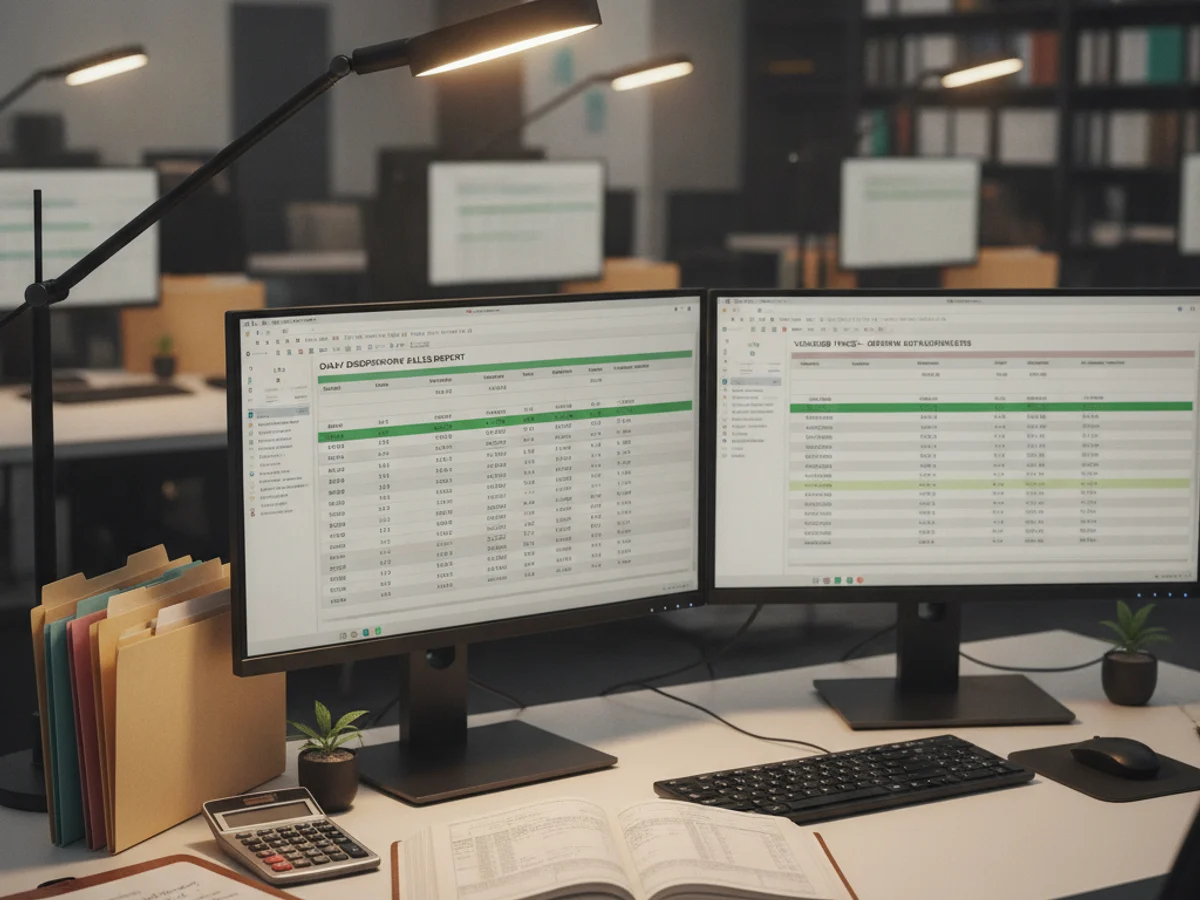
Use one row per closed business day or approved shift. Record the register close, POS sales total, cash counted, deposit record, reviewer, and exception status. Keep a correction separate from the original count. That gives management an audit trail rather than a clean-looking replacement number.
IRS guidance says section 280E does not prevent a marijuana business from reducing gross receipts by properly calculated cost of goods sold, while it limits deductions and credits within the statute's scope [S2]. A reconciliation file is not a tax position, so send classification questions to the tax professional.
| Measure | Local definition | Why it matters |
|---|---|---|
| Packets received | Closed shifts with required fields | Denominator |
| First-pass match | Packets without an unresolved variance | Process quality |
| Open exceptions | Variances awaiting documented action | Queue risk |
| Review age | Time from close to approval | Timeliness |
| Evidence completeness | Five required fields present | Record quality |
For privacy and security, borrow the outcome-based approach in NIST CSF 2.0 and the least-privilege logic in NIST SP 800-53. Virginia operators should read the CCA laws and regulations and the Virginia pharmaceutical processor rules for their license scope. The IRS marijuana industry page and IRS section 280E guidance cover federal tax context. OSHA recordkeeping and OSHA overtime guidance are separate employment controls. The National Archives records-management guidance supports retention design, while the NIST Privacy Framework helps bound personal information. The FinCEN marijuana banking guidance is relevant to financial-institution due diligence. The Virginia CCA reports page provides current state publications.
A small worked example
Suppose a local register has 22 closed packets in a month. Twenty had all five evidence fields and matched on first review. The first-pass completeness rate is 20 / 22 = 90.9%. Do not call that an industry benchmark. It is a local operating measure with a stated denominator.
Link the exception queue to the inventory accuracy benchmarks and retain the approved procedure with the record-retention benchmark. Neither article supplies a legal retention period for every jurisdiction.
Frequently asked questions
What is a good cash reconciliation rate?
No cited national source supplies one. Report the local numerator, denominator, review window, and exception rule.
Does reconciliation prove tax compliance?
No. It documents one control. Tax treatment requires the applicable law, records, and qualified advice.
Who should approve a variance?
The licensee should assign that authority in a written procedure. A preparer should not silently approve their own correction.
How often should management review the metric?
Set the cadence in the procedure and shorten it when exceptions age or repeat. The cadence is a local control, not a published statistic.
Sources
- [S1] U.S. Department of Labor, Overtime, accessed August 10, 2026.
- [S2] IRS, IRS announces marijuana-industry enforcement campaign, updated 2025.
- [S3] IRS, Marijuana industry, accessed August 10, 2026.
- [S4] FinCEN, BSA expectations regarding marijuana-related businesses, 2014.
- [S5] NIST, CSF 2.0, 2024.
- [S6] NIST, SP 800-53, 2020.
- [S7] NIST, Privacy Framework, 2020.
- [S8] Virginia CCA, Laws and regulations, accessed August 10, 2026.
- [S9] Virginia Administrative Code, Pharmaceutical processors, accessed August 10, 2026.
- [S10] OSHA, Recordkeeping, accessed August 10, 2026.
- [S11] National Archives, Records management, accessed August 10, 2026.
- [S12] Virginia CCA, Reports and studies, accessed August 10, 2026.
Conclusion
Measure cash controls with explicit populations and preserve the evidence behind each exception. That produces a useful local series without turning an employment or tax rule into a made-up dispensary benchmark.
Reviewed by the DispensaryVA editorial team on 2026-08-10.